
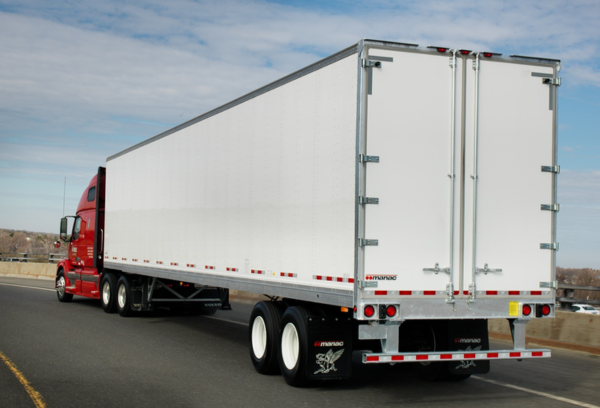
What Is a Dry Van? (USA Trucking Guide)
A Dry Van is the most common and versatile type of trucking trailer used in the USA. It is a fully enclosed, non-refrigerated trailer designed to protect cargo from weather, theft, and damage. Dry vans are used to haul everyday goods across the country, making them the backbone of American transportation.
Why Dry Vans Are Popular in the USA
Dry van trucking is highly in-demand because:
- It can carry almost all types of non-perishable products
- It is safe, secure, and weatherproof
- It is cost-effective for shippers
- It offers year-round consistent loads for carriers and dispatchers
Common Products Transported in Dry Vans
Dry vans typically haul:
- Consumer Goods – clothing, shoes, electronics
- Retail Merchandise – packaged products, boxes, and general store items
- Manufacturing Supplies – machinery parts, tools, hardware
- Furniture & Home Goods
- Paper Products, Plastics, & Palletized Freight
- Non-perishable Foods – canned goods, snacks, bottled drinks
Key Features of a Dry Van Trailer
- Fully enclosed 48ft or 53ft trailer
- Weather-resistant structure
- Wood or metal floors
- Rear swing or roll-up doors
- No temperature control system
- Suitable for palletized or boxed freight
Why Businesses Choose Dry Vans
Dry vans are the #1 choice because they:
- Protect cargo from rain, dust, and external factors
- Offer affordable transportation
- Are ideal for long-distance freight
- Support full truckload (FTL) and less-than-truckload (LTL) shipments
- Are easy to load/unload at docks or warehouses
Types of Dry Van Loads in the USA
- Full Truckload (FTL) – entire trailer for one customer
- Less-than-Truckload (LTL) – multiple customers’ shipments in one trailer
- Drop & Hook – trailer swapping to save driver time
- Dedicated Routes – same lane and shipper daily/weekly
Dry Van From a Dispatching Perspective
For dispatching companies, dry van loads offer:
- High availability of loads everywhere in the USA
- Easy-to-manage freight
- Flexible pickup/delivery times
- Lower risk compared to reefer or flatbed
- Smooth operations for new carriers
Dispatchers typically manage:
- Pickup/delivery appointments
- Dock confirmations
- Load details and routing
- Driver assistance and check-in updates